
Outdoor theatre has always reflected the cultural heartbeat of society. From ancient communal rituals to today’s immersive, technology enhanced productions, outdoor theatre has continuously adapted to how people gather, communicate, and experience stories. What was once a necessity due to the absence of enclosed venues has evolved into a deliberate artistic choice one that prioritizes connection, environment, and audience engagement.
This blog explores the Evolution of Outdoor Theatre, examining how it transformed across history and how immersive arts have redefined modern performance. It also highlights how innovative creators like No Curtain Productions are shaping the future of outdoor storytelling through experiential, boundary breaking theatre.
Origins of Outdoor Theatre: Where Performance Began
Ancient Civilizations and Public Performance
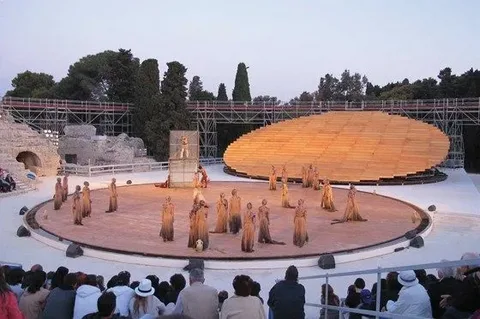
The evolution of outdoor theatre begins thousands of years ago, rooted in ritual and community. In Ancient Greece, theatre was performed in vast open air amphitheaters, often carved into hillsides. These spaces were designed not just for visibility, but for shared emotional experience. Performances honored gods, explored morality, and addressed political life making theatre a vital public institution.
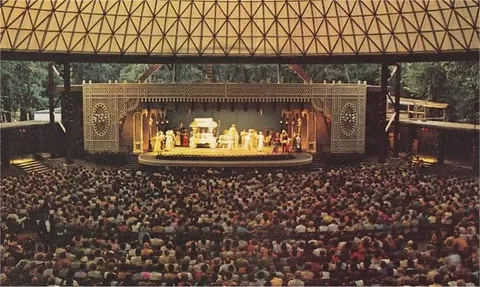
Similarly, Roman outdoor theatres expanded scale and spectacle. Architecture, acoustics, and audience size became central considerations. These early performances emphasized the power of collective storytelling, where thousands could witness and interpret narratives together.
Nature as an Active Storytelling Element
Without artificial lighting or sound amplification, early outdoor theatre relied heavily on nature. Time of day, weather, and landscape shaped performances. This natural dependency encouraged adaptability and creativity, influencing how actors projected, moved, and interacted with space.
This relationship between environment and narrative still defines immersive outdoor theatre today, where the setting is not a backdrop but an essential part of the story.
The Cultural Expansion of Outdoor Theatre Across Eras
Medieval Street Theatre and Community Access
During the Middle Ages, outdoor theatre became more mobile and accessible. Performances moved into marketplaces, streets, and town squares. Mystery plays and morality tales were staged on wagons or temporary platforms, bringing stories directly to the public.
This era reinforced theatre’s role as a shared cultural experience. There were no tickets, no reserved seats only participation. The audience was close, reactive, and emotionally involved.
Renaissance Innovation and Spatial Experimentation
As theatre evolved during the Renaissance, outdoor performance spaces became more structured, yet still embraced openness. Courtyards and gardens were used to experiment with staging, movement, and audience placement.
This period marked an important shift: outdoor theatre was no longer just necessity it became an artistic choice. This intentional use of space directly influenced modern immersive arts and site specific performance.
The Shift Toward Immersive Theatre Experiences
Breaking the Fourth Wall
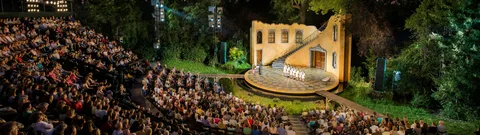
Traditional theatre positioned audiences as observers. The modern evolution of outdoor theatre challenges this separation. Immersive theatre removes physical and emotional barriers, inviting audiences to move through scenes, interact with performers, and influence outcomes.
Rather than watching a story unfold, audiences experience it from within. This shift reflects a broader cultural desire for participation, personalization, and emotional authenticity.
Why Immersion Defines Modern Performance
Immersive theatre resonates because it mirrors how people consume experiences today actively, not passively. Outdoor immersive productions offer:
-
- Deeper emotional connection
- Multi-sensory engagement
- Unique experiences for every participant
These qualities transform theatre from entertainment into memory, making immersive outdoor performances highly impactful and shareable.
Technology’s Role in the Evolution of Outdoor Theatre
Enhancing, Not Replacing, Live Performance
Technology has become a defining force in the evolution of outdoor theatre, but its role is supportive rather than dominant. Tools like projection mapping, spatial audio, and augmented reality enhance storytelling without removing the authenticity of live performance.
Outdoor spaces that once posed limitations now offer creative freedom. Walls become canvases. Landscapes become narrative devices.
Digital Story Layers in Open-Air Environments
Immersive outdoor theatre often blends physical and digital storytelling. Audiences may receive clues through mobile devices, follow digital characters layered onto real environments, or experience soundscapes that shift based on movement.
This integration allows theatre to evolve alongside modern technology while preserving its human core.
The Rise of Immersive Arts in Contemporary Outdoor Spaces
Site-Specific Storytelling as an Art Form
Immersive arts thrive in outdoor environments because they allow stories to exist where they feel most authentic. Forests, historical landmarks, abandoned buildings, and urban spaces become living stages.
Each location adds emotional weight and realism that traditional theatres cannot replicate. This site specific approach ensures no two performances are ever exactly the same.
No Curtain Productions and Creative Leadership
No Curtain Productions exemplifies this modern evolution by creating immersive outdoor theatre experiences that remove traditional constraints. By blending narrative design, audience interaction, and innovative technology, the company transforms spaces into emotional landscapes.
Their work demonstrates how immersive arts can be intimate, expansive, and deeply human all at once.
The Future of Outdoor Theatre and Immersive Performance
Audience-Centered and Adaptive Narratives
The future of outdoor theatre lies in adaptability. Performances are increasingly designed to respond to audience decisions, movement, and engagement. Stories evolve based on participation, creating unique outcomes and repeat experiences.
This approach positions the audience not as spectators, but as collaborators in storytelling.
Sustainability and Cultural Impact
Outdoor theatre also aligns with sustainability goals. Reduced construction, natural lighting, and minimal set design lower environmental impact. At the same time, performances bring culture directly into communities, making art more accessible and inclusive.
As demand grows for meaningful shared experiences, immersive outdoor theatre will continue to expand its cultural influence.
Conclusion
The evolution of outdoor theatre is a testament to storytelling’s ability to adapt, survive, and thrive. From ancient amphitheaters to modern immersive arts experiences, outdoor theatre has always prioritized human connection.
Today, immersive outdoor theatre represents the future of live performance where stories surround us, environments speak, and audiences belong. Through visionary work and creative courage, No Curtain Productions stands at the forefront of this transformation, proving that theatre without walls can deliver some of the most powerful stories of our time.
Frequently Asked Questions (FAQs)
What is outdoor theatre?
Outdoor theatre refers to live performances staged in open air environments such as parks, streets, courtyards, or natural landscapes.
What is immersive theatre?
Immersive theatre places audiences inside the story, allowing interaction with performers, environments, and narrative outcomes.
How has outdoor theatre evolved over time?
The evolution of outdoor theatre spans ancient ritual performances, medieval street plays, and modern immersive productions enhanced by technology.