
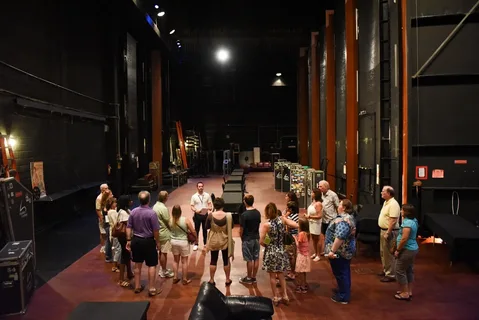

Theatre production behind the scenes brings shows to life through careful planning, collaboration, and creativity. From set design to rehearsals, lighting, and costume creation, every detail contributes to the magic on stage. Understanding this process reveals the dedication, artistry, and teamwork that make live performances unforgettable.
Understanding Theatre Production Behind the Scenes
When audiences take their seats, the magic of theatre appears effortless. Yet, behind the curtains lies a complex world of preparation, creativity, and collaboration. Theatre production behind the scenes involves multiple departments working in sync from directors and actors to set designers, lighting crews, and costume teams.
At No Curtain Productions, performances unfold under the stars in Penryn, California, creating a unique open-air experience. Every laugh, tear, and gasp is the result of meticulous behind the scenes work that starts long before the first note is sung or line is delivered.
The Backbone of Theatre: Collaboration and Planning
Successful productions rely on team coordination. Directors, stage managers, and production crews develop a shared vision that guides every decision. Early planning includes:
- Script breakdowns and scene analysis
- Casting and rehearsal scheduling
- Budget allocation for sets, costumes, and lighting
- Safety protocols and technical logistics
This groundwork ensures the final performance runs smoothly, leaving audiences immersed without noticing the intricate mechanics behind the scenes.
From Script to Stage: The Journey of a Show
Script Development and Interpretation
Every production starts with a story. Playwrights craft scripts that capture emotion, character, and plot, but directors interpret these scripts to translate them to the stage. Behind the scenes, teams consider:
- Character motivations and relationships
- Scene transitions and pacing
- Audience engagement and emotional impact
This interpretation shapes the rehearsal process, technical requirements, and audience experience. For instance, subtle pauses, gestures, and timing adjustments are often fine tuned during rehearsals to maximize emotional resonance.
Rehearsals and Actor Preparation
Actors bring the script to life, but this doesn’t happen overnight. Rehearsals are the heart of theatre production behind the scenes, where actors and directors work on:
- Timing, cues, and blocking (movement on stage)
- Vocal projection and diction
- Emotional authenticity and interaction
Rehearsals also involve stage managers coordinating schedules and ensuring technical needs like props and lighting cues are addressed. Some productions even run mock performances to simulate audience responses and adjust pacing before opening night.
Crafting the World on Stage: Set, Lighting, and Costume Design
Set Design and Construction
A set creates the physical world of a play. Behind the scenes, designers and carpenters:
- Develop floor plans and blueprints
- Build scalable, safe, and visually appealing structures
- Incorporate elements that enhance storytelling, such as doors, platforms, and hidden passages
For outdoor productions like No Curtain’s shows, designers also consider natural lighting, audience sightlines, and environmental factors to ensure the magic isn’t lost. Every detail, from painted backdrops to movable props, contributes to the illusion of the world on stage.
Lighting and Sound Design
Lighting and sound transform a stage into a living, breathing environment. Behind the scenes, technicians:
- Program lighting cues to set mood and focus attention
- Adjust audio for clarity and dramatic effect
- Synchronize effects with music and actor movements
Advanced techniques like spotlights, color gels, and fog machines create atmosphere, while sound effects enhance realism. Lighting and sound teams often rehearse alongside actors to ensure every cue aligns with the performance perfectly.
Costumes and Makeup
Costume designers bring characters to life visually, while makeup artists add authenticity and detail. Behind the scenes, teams work on:
- Selecting fabrics and designing garments that reflect character and period
- Conducting fittings and adjustments for comfort and mobility
- Coordinating with lighting to ensure colors appear correctly on stage
Even minor details, like a scarf or a pocket watch, can shape audience perception of a character, making costume and makeup crucial for storytelling.
The Unsung Heroes: Stage Management and Crew
Stage managers and production crews are the silent orchestrators of theatre. They ensure everything operates seamlessly, from pre show setup to curtain call.
Stage Managers
Stage managers coordinate all aspects of production. Their responsibilities include:
- Maintaining rehearsal schedules and communication
- Documenting blocking, cues, and technical notes
- Acting as the bridge between directors, actors, and crew
Without stage managers, even the best actors and designs might fail to come together. Their meticulous attention keeps performances consistent night after night.
Technical Crew
The technical crew handles logistics that audiences often overlook:
- Prop management and placement
- Scene transitions and special effects
- Equipment setup and troubleshooting
Their work allows actors and directors to focus on performance, creating a polished and professional show every night.
Behind the Magic: Rehearsals, Previews, and Opening Night
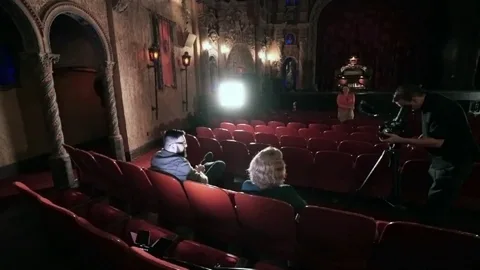
Theatre production behind the scenes doesn’t stop at rehearsals. Previews allow teams to test the show with live audiences, refine timing, and resolve unexpected issues. Opening night is the culmination of months of preparation, where every element lighting, sound, set, costumes, and performance aligns to create an unforgettable experience.
Continuous Improvement
Even after opening, productions often evolve. Feedback loops from previews and early performances help:
- Adjust pacing and scene transitions
- Refine technical cues
- Enhance audience engagement
This ongoing attention ensures each show maintains its quality, allowing performers to stay connected with the audience while delivering a flawless performance.
Technology and Trends in Modern Theatre Productions
Theatre is evolving with technology, allowing productions to become more immersive and dynamic. Modern trends include:
- Digital Set Design and Projections: Creating detailed backdrops and virtual environments to reduce physical construction costs
- Automated Lighting and Sound Systems: Enhancing precision and reducing human error during performances
- Sustainable Costume and Set Materials: Eco friendly fabrics and reusable sets support environmental responsibility
- Hybrid Performances: Live streaming shows or offering digital content to reach audiences unable to attend in person
- Interactive Experiences: Using audience engagement tools and gamification to enhance live participation
These innovations complement traditional theatre, allowing teams to experiment creatively while maintaining professional quality.
The Creative Process: Art Meets Strategy
Successful productions balance artistic vision with operational strategy. Creative ideas are implemented with:
- Timeline planning to align rehearsals, set construction, and tech setup
- Budget management to maximize visual and audio impact without overspending
- Risk management to ensure safety and compliance
No Curtain Productions excels at this balance, blending artistic storytelling with precise execution to create shows that are visually stunning and emotionally engaging.
Conclusion:
Theatre production behind the scenes is a delicate balance of creativity, strategy, and teamwork. Every script, rehearsal, lighting cue, set piece, costume, and technical adjustment contributes to the magic audiences experience.
At No Curtain Productions, open air environments add complexity, making collaboration and precision even more critical. From planning to opening night, the dedication of every team member ensures shows not only entertain but also resonate long after the final bow.
Understanding the intricate work behind the scenes enriches appreciation for live theatre, revealing the artistry, coordination, and passion that make performances truly unforgettable.
Behind every standing ovation is a team of unsung heroes bringing stories to life.
What is theatre production behind the scenes?
It encompasses all planning, design, rehearsal, and technical work that allows a live performance to run smoothly.
Who works behind the scenes in a theatre production?
Directors, stage managers, designers, technicians, actors, and crew all contribute to the success of a show.
Why is behind-the-scenes work important?
It ensures safety, seamless operation, emotional impact, and audience immersion, making performances professional and engaging.
How long does behind-the-scenes work take?
Depending on the production, preparation can take weeks to months, including planning, rehearsals, and technical setup.