
Introduction
The world of live entertainment is evolving rapidly, and audiences are no longer satisfied with passive viewing experiences. In 2026, people crave deeper emotional connections, interactive storytelling, and unforgettable moments that go beyond traditional stage performances. This shift has given rise to immersive storytelling theater a format that transforms audiences into active participants rather than just spectators.
From outdoor performances in natural settings to interactive narratives where the audience influences the story, immersive theater is redefining how stories are told and experienced. This innovative approach blends creativity, technology, and human connection to create powerful, memorable experiences.
In this blog, we’ll explore what immersive storytelling theater is, why it’s becoming the future of live entertainment, and how it is transforming the industry.
What Is Immersive Storytelling Theater?
Immersive storytelling theater is a modern form of live performance where the audience is no longer limited to watching from a seat. Instead, they become part of the narrative, interacting with characters, environments, and storylines in real time. This creates a highly engaging and personalized experience that traditional theater cannot replicate.
This approach breaks the fourth wall and removes the separation between performer and audience. As a result, every show becomes unique depending on audience interaction and movement. It’s a powerful way to make storytelling more dynamic and emotionally impactful.
Key Elements of Immersive Theater
Immersive theater is built on several defining elements that distinguish it from conventional stage performances. These elements are carefully designed to enhance engagement, realism, and audience participation. Together, they create a fully interactive storytelling environment.
Each component works in harmony to draw the audience deeper into the narrative. From physical environments to emotional engagement, every detail is crafted to maximize immersion and connection.
- Audience Participation: Viewers interact with actors and influence the storyline
- 360 Degree Environments: Performances take place in dynamic, real world settings
- Non Linear Storytelling: Multiple story paths based on audience choices
- Sensory Engagement: Use of sound, lighting, and physical interaction
Why Immersive Storytelling Theater Is the Future
Immersive storytelling theater is rapidly gaining momentum because it aligns perfectly with modern audience expectations. Today’s consumers are experience driven and seek deeper emotional engagement rather than passive entertainment. This shift is transforming how live performances are designed and delivered.
As technology and creativity evolve, immersive theater offers a flexible and scalable model for the future. It allows creators to experiment with storytelling while delivering highly engaging and memorable experiences.
Audiences Crave Experiences Over Entertainment
Modern audiences are increasingly prioritizing experiences over traditional forms of entertainment. They want to feel involved, emotionally connected, and engaged in the story rather than simply observing it. This shift is evident across industries, including travel, events, and live performances.
Immersive theater meets this demand by offering unique, one of a kind experiences. Each performance becomes personal, making it more valuable and memorable for the audience.
Stronger Emotional Connections
Immersive storytelling creates a deeper emotional bond between the audience and the narrative. By becoming part of the story, viewers develop a personal connection with characters and events. This level of engagement enhances the overall impact of the performance.
Emotional storytelling is one of the most powerful tools in entertainment. Immersive theater leverages this by placing the audience at the center of the experience.
Social Media and Shareable Moments
In today’s digital age, shareable experiences play a crucial role in marketing and audience engagement. Immersive theater naturally creates visually and emotionally compelling moments that audiences want to capture and share.
This organic sharing increases visibility and attracts new audiences. It also helps productions build a strong online presence without relying solely on traditional advertising.
Flexibility and Creative Freedom
Immersive theater offers unmatched creative freedom compared to traditional stage performances. Directors and creators can experiment with different environments, storytelling styles, and audience interactions. This opens the door to endless possibilities.
Whether it’s a park, a street, or a custom built set, the performance space becomes part of the story. This flexibility allows for more innovative and engaging productions.
How Immersive Theater Is Transforming Outdoor Performances
Immersive storytelling is revolutionizing outdoor live theater by turning natural and urban environments into dynamic performance spaces. This transformation enhances realism and creates a deeper connection between the audience and the story. Outdoor settings provide a unique backdrop that traditional theaters cannot replicate.
By integrating the environment into the narrative, immersive theater creates a seamless blend of storytelling and real world experience. This makes performances more engaging, accessible, and memorable.
Use of Natural Environments
Outdoor locations such as parks, gardens, and open spaces play a significant role in immersive theater. These environments add authenticity and depth to the performance, making the story feel more real and relatable.
Nature becomes an active part of the narrative, enhancing the sensory experience. This creates a more organic and emotionally engaging performance.
Interactive Stage Design
Unlike traditional theater, immersive performances do not rely on a fixed stage. Instead, the entire environment becomes the stage, allowing audiences to move freely and explore different aspects of the story.
This design approach encourages interaction and engagement. It also creates a more dynamic and personalized experience for each audience member.
Community Engagement
Outdoor immersive theater has a unique ability to bring communities together. These performances are accessible to a wide audience and create shared experiences that foster connection and engagement.
They also support local culture and creativity. By involving the community, immersive theater becomes more than just entertainment it becomes a social experience.
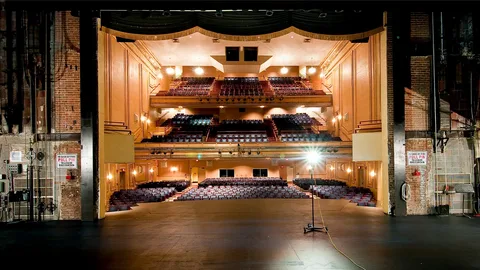 What Makes Immersive Theater Different from Traditional Theater?
Immersive theater challenges the conventions of traditional performances by redefining the role of the audience. Instead of being passive observers, audiences become active participants in the story. This fundamental difference changes the entire experience.
By removing physical and emotional barriers, immersive theater creates a more engaging and impactful form of storytelling. It allows for deeper connections and more meaningful interactions.
Passive vs Active Experience
Traditional theater involves watching a performance from a distance, with limited interaction. In contrast, immersive theater requires active participation, making the audience an integral part of the story.
This shift creates a more engaging and memorable experience. It also increases emotional investment and connection.
Fixed Stage vs Fluid Environment
In traditional theater, performances are confined to a specific stage. Immersive theater removes these limitations by using entire environments as performance spaces.
This allows for more creative storytelling and dynamic interactions. It also enhances the realism and depth of the experience.
Scripted vs Adaptive Narratives
Traditional performances follow a fixed script, while immersive theater allows for flexibility and adaptation. Audience interactions can influence the direction of the story, creating unique outcomes.
This adaptability makes each performance different. It also adds an element of unpredictability and excitement.
How to Create an Immersive Storytelling Theater Experience
Creating an immersive theater experience requires a combination of creativity, planning, and audience focused design. It’s about crafting an environment where the story comes to life and engages all the senses.
By focusing on interaction and storytelling, creators can deliver experiences that leave a lasting impression. A structured approach ensures success and scalability.
Step 1: Develop a Strong Narrative
A compelling story is the foundation of any immersive experience. The narrative should allow for multiple pathways and audience interaction, making it dynamic and engaging.
Strong storytelling ensures that the audience remains invested. It also provides a framework for interaction and exploration.
Step 2: Design the Environment
The environment plays a crucial role in immersion. Whether it’s an outdoor park or an urban setting, the space should enhance the narrative and support interaction.
A well designed environment creates a sense of realism. It also helps guide the audience through the story.
Step 3: Incorporate Audience Interaction
Audience interaction is a key element of immersive theater. Creators must plan how audiences will engage with the story and influence its direction.
This can include direct interaction with actors or decision making opportunities. It enhances engagement and personalization.
Step 4: Use Technology Strategically
Technology can enhance immersion when used effectively. Lighting, sound, and projections can create a more dynamic and engaging environment.
However, it’s important to balance technology with storytelling. The focus should remain on the narrative and audience experience.
Step 5: Train Performers for Interaction
Performers play a crucial role in immersive theater. They must be able to interact with audiences and adapt to different situations.
Training ensures consistency and quality. It also helps performers deliver a seamless experience.
Step 6: Test and Refine the Experience
Testing is essential for identifying potential issues and improving the overall experience. Pilot performances provide valuable feedback and insights.
Continuous refinement ensures success. It also helps create a polished and engaging final product.
Challenges of Immersive Theater and How to Overcome Them
While immersive theater offers many benefits, it also presents unique challenges. These challenges include logistics, audience management, and production complexity. Understanding these issues is key to successful implementation.
With proper planning and strategy, these challenges can be effectively managed. This ensures a smooth and enjoyable experience for both creators and audiences.
Common Challenges
Immersive theater involves multiple moving parts, making it more complex than traditional performances. Managing audience movement and ensuring safety are key concerns.
Additionally, balancing interaction with storytelling can be challenging. These factors require careful planning and execution.
Solutions
To overcome these challenges, creators must adopt a strategic approach. This includes clear planning, training, and effective communication.
Starting with smaller productions can help manage risks. Over time, experience and refinement lead to better outcomes.
The Future of Immersive Storytelling Theater
The future of immersive storytelling theater is incredibly promising as technology and audience expectations continue to evolve. Innovations such as AI, augmented reality, and advanced projection techniques will further enhance immersion.
As demand for experiential entertainment grows, immersive theater will become a dominant force in the industry. It represents a new era of storytelling that prioritizes engagement, connection, and creativity.
Conclusion
Immersive storytelling theater is redefining the future of live entertainment by transforming audiences from passive viewers into active participants. As people continue to seek deeper connections and meaningful experiences, this innovative approach is becoming the new standard in the industry. It blends storytelling, environment, and interaction to create unforgettable moments.
With its ability to engage, inspire, and connect, immersive theater is not just a trend but a long term evolution in how stories are experienced. It opens up new possibilities for creativity and audience engagement, making it a powerful tool for modern entertainment.
For those looking to experience or create cutting edge outdoor performances, No Curtain Productions is at the forefront of immersive storytelling, delivering dynamic and interactive theater experiences that captivate audiences and bring stories to life like never before.
Frequently Asked Questions
What is immersive storytelling theater?
Immersive storytelling theater is a form of live performance where the audience actively participates in the story. Instead of watching from a distance, they engage with characters and environments. This creates a more dynamic and personalized experience.
Why is immersive theater becoming popular?
Immersive theater is gaining popularity because it offers engaging and interactive experiences. Modern audiences prefer meaningful connections over passive entertainment. This format delivers unique and memorable performances.
Is immersive theater suitable for outdoor performances?
Yes, outdoor environments enhance immersion by providing natural and dynamic settings. They add realism and depth to the story. This makes the experience more engaging and visually appealing.
How is immersive theater different from traditional theater?
Immersive theater involves active audience participation and flexible storytelling. Traditional theater is more structured and passive. This difference creates a more engaging and interactive experience.
What are examples of immersive theater experiences?
Examples include interactive plays, site specific performances, and audience driven events. These experiences allow audiences to explore and influence the story. Each performance is unique and engaging.