

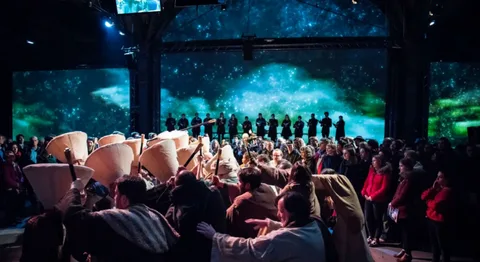
Why Immersive Theatre Is the Future of Live Entertainment
The entertainment landscape is evolving faster than ever. Audiences are no longer satisfied with simply watching performances they want to feel, interact, and become part of the story. This shift has given rise to immersive theatre, a powerful form of storytelling that transforms passive viewers into active participants.
Understanding why immersive theatre is the future of entertainment helps explain the growing demand for experiences that are engaging, emotional, and unforgettable. In 2026, immersive theatre is not just a trend it is a movement redefining live entertainment.
What Is Immersive Theatre?
Immersive theatre represents a fundamental shift from traditional storytelling. Instead of sitting in a fixed seat and watching a performance unfold, audiences are invited to step inside the story and engage with it directly.
Breaking the Fourth Wall
Immersive theatre eliminates the barrier between performers and the audience. This creates a dynamic environment where participants can interact with actors and explore the narrative space.
This approach makes storytelling more engaging and unpredictable. Exploring interactive live theatre experiences highlights how this format transforms traditional performances into something far more personal.
Audience as Part of the Story
In immersive theatre, the audience plays an active role in shaping the experience. Their decisions, movements, and interactions influence how the story unfolds.
This level of involvement creates a unique experience for every participant. It ensures that no two performances are exactly the same, increasing engagement and repeat interest.
The Shift Toward Experience Driven Entertainment
Modern audiences are increasingly drawn to experiences rather than passive forms of entertainment. This shift is a major reason why immersive theatre is gaining popularity worldwide.
The Experience Economy
Consumers today prioritize memorable experiences over material goods. Immersive theatre delivers exactly that by offering something unique and emotionally engaging.
Understanding experience based entertainment trends in 2026 shows how this shift is shaping industries beyond theatre, including travel and events.
Moving Beyond Screens
With constant exposure to digital content, people are seeking ways to disconnect from screens and reconnect with real world experiences.
Immersive theatre provides a refreshing alternative by offering human interaction and sensory engagement. This makes it especially appealing in today’s digital heavy lifestyle.
Emotional Engagement and Storytelling
One of the most powerful aspects of immersive theatre is its ability to create deep emotional connections. It transforms storytelling into a personal journey rather than a passive experience.
Personalized Experiences
Each audience member experiences the story differently based on their interactions. This personalization makes the performance more meaningful and memorable.
Exploring story driven immersive theatre experiences shows how narrative depth enhances emotional impact and audience connection.
Strong Emotional Impact
Being physically present within the story intensifies emotions. Participants feel more connected to the characters and events.
This emotional depth is what sets immersive theatre apart from traditional formats. It creates lasting memories that audiences carry long after the performance ends.
The Role of Technology in Immersive Theatre
Technology is playing a crucial role in enhancing immersive theatre experiences. It allows creators to build more dynamic, realistic, and interactive environments.
Advanced Lighting and Sound
Modern lighting and spatial audio systems create immersive atmospheres that draw audiences deeper into the story.
These elements enhance realism and emotional engagement. Understanding technology in immersive theatre productions shows how innovation is shaping the future of live performances.
Augmented Reality and Projection Mapping
Technologies like AR and projection mapping add visual depth and interactivity to performances. They allow creators to transform spaces in real time.
This creates a multi layered experience that blends physical and digital elements. It opens up new possibilities for storytelling and audience engagement.
Outdoor and Site Specific Performances
Immersive theatre is expanding beyond traditional venues into outdoor and unconventional spaces. This trend is redefining how and where performances take place.
Unique Locations
Performances are now held in parks, historic sites, and other non traditional settings. These locations add authenticity and depth to the story.
Exploring outdoor immersive theatre experiences highlights how location plays a crucial role in enhancing the overall experience.
Natural Atmosphere
Outdoor settings provide a natural backdrop that enhances sensory engagement. Elements like weather, lighting, and surroundings become part of the performance.
This creates a more immersive and memorable experience. It allows audiences to connect with the story on a deeper level.
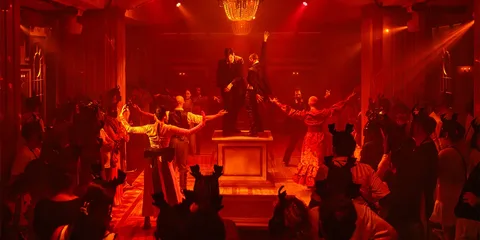 Community and Social Connection
Immersive theatre is not just about entertainment it’s about connection. It brings people together in a shared experience that fosters community and engagement.
Shared Experiences
Participants engage not only with the performers but also with each other. This creates a sense of community and collective storytelling.
Understanding community driven theatre experiences shows how immersive theatre strengthens social bonds and local connections.
Local Storytelling
Many immersive productions focus on local stories and cultural themes. This makes them more relatable and impactful for audiences.
It also helps preserve and celebrate local culture. This connection to community is a key factor in the growing popularity of immersive theatre.
Versatility Across Audiences and Events
Immersive theatre is highly versatile, making it suitable for a wide range of audiences and occasions. This flexibility contributes to its growing demand.
Family Friendly Entertainment
Many immersive productions are designed to be accessible and enjoyable for all age groups.
This makes them ideal for families looking for unique entertainment experiences. Exploring family friendly immersive entertainment ideas shows how these experiences appeal to diverse audiences.
Corporate and Private Events
Businesses are increasingly using immersive theatre for events, team building, and brand activations.
These experiences create memorable interactions that leave a lasting impression. They also offer a creative way to engage employees and clients.
Competitive Advantage Over Traditional Theatre
Immersive theatre offers several advantages that set it apart from traditional formats. These benefits are driving its rapid growth in popularity.
Higher Engagement Levels
Audience participation keeps people engaged throughout the performance. This reduces distractions and increases enjoyment.
Understanding differences between traditional and immersive theatre highlights why audiences are shifting toward interactive experiences.
Repeat Value
Because each experience is unique, audiences are more likely to return.
This repeat value makes immersive theatre more sustainable and profitable. It also encourages long term audience engagement.
Economic Opportunities in Immersive Theatre
The rise of immersive theatre is creating new opportunities for creators, businesses, and communities. It is becoming a valuable segment of the entertainment industry.
Increased Demand
As more people seek interactive experiences, the demand for immersive theatre continues to grow.
Exploring growth of immersive entertainment industry shows how this trend is shaping the future of entertainment.
Revenue Potential
Immersive theatre often commands higher ticket prices due to its unique value.
This creates strong revenue opportunities for producers and investors. It also encourages innovation and creativity within the industry.
Why 2026 Marks a Turning Point
The year 2026 represents a significant moment for immersive theatre. Several factors are converging to accelerate its growth and adoption.
Changing Audience Expectations
Audiences now expect more engaging and interactive experiences. Passive entertainment is no longer enough.
Understanding future trends in live entertainment highlights how expectations are evolving across the industry.
Technological Advancements
New technologies are making immersive theatre more accessible and scalable.
This allows creators to experiment with new formats and reach wider audiences. It also enhances the overall quality of productions.
Conclusion
The rise of immersive theatre clearly demonstrates why immersive theatre is the future of entertainment. As audiences seek deeper engagement, emotional connection, and unique experiences, immersive theatre offers something that traditional formats simply cannot match.
From interactive storytelling and technological innovation to community engagement and personalized experiences, immersive theatre is redefining the way stories are told and experienced.
No Curtain Productions is leading this transformation by creating unforgettable immersive theatre experiences that captivate audiences and bring stories to life in innovative ways. Their commitment to storytelling, creativity, and audience engagement ensures that every performance is truly unique.
As the demand for experience driven entertainment continues to grow, immersive theatre will remain at the forefront, shaping the future of live entertainment for years to come.
Frequently Asked Questions
What is immersive theatre?
Immersive theatre is a form of live performance where the audience actively participates in the story, creating a more engaging experience.
Why is immersive theatre becoming popular?
It offers unique, interactive experiences that align with modern preferences for engagement and personalization.
Is immersive theatre suitable for all audiences?
Yes, many productions are designed for families, individuals, and corporate groups.
How does technology enhance immersive theatre?
Technology such as lighting, sound, and AR creates more realistic and engaging environments.
What is the future of immersive theatre?
It is expected to grow significantly, becoming a dominant form of live entertainment.