
What Is Outdoor Theatre? Types, Performances & Behind the Scenes Experience
Outdoor theatre is one of the oldest and most captivating forms of live entertainment. Long before modern indoor auditoriums were built, communities gathered in open spaces to watch stories unfold beneath the sky. Today, outdoor theatre continues to thrive, blending tradition with innovation to create immersive cultural experiences for audiences of all ages.
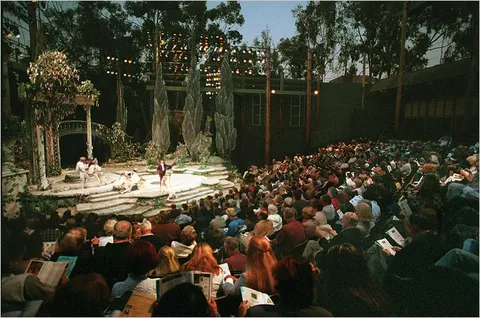
Unlike indoor performances, outdoor theatre transforms natural landscapes into living stages. Parks, amphitheaters, gardens, and public squares become part of the storytelling itself. The open air adds atmosphere, unpredictability, and a sense of connection between performers and the audience. Whether it’s a Shakespearean drama, a musical production, or a community based performance, outdoor theatre offers something uniquely powerful.
As interest in live entertainment grows, more people are rediscovering the magic of open air performances. This guide explores what outdoor theatre is, the different types of performances and venues, what happens behind the scenes, and what audiences can expect from this extraordinary form of storytelling.
What Is Outdoor Theatre?
Outdoor theatre refers to live dramatic performances staged in open air environments rather than traditional indoor venues. These performances may take place in parks, amphitheaters, courtyards, festival grounds, or even historic landmarks.
Historically, outdoor theatre dates back to ancient civilizations. Greek amphitheaters were built to use natural acoustics, allowing large audiences to hear performers clearly without modern sound systems. Similarly, Elizabethan theatre often took place in partially open venues, allowing natural light to play a role in staging.
What distinguishes outdoor theatre is its integration with the environment. The sky, trees, architecture, and even weather conditions become part of the performance. Instead of being isolated from the outside world, audiences experience theatre as part of a larger atmosphere.
This connection to nature and community creates a dynamic energy that differs from indoor productions. Outdoor theatre often feels more intimate and immersive, even when performed for large crowds.
Types of Outdoor Theatre Performances
Outdoor theatre encompasses a wide range of genres and performance styles. Each type brings a unique flavor to the open air stage.
Classical & Shakespearean Performances
One of the most recognized forms of outdoor theatre is Shakespeare in the park. Classical performances rely heavily on powerful dialogue and expressive acting. With minimal set designs, the focus remains on storytelling and character development. Natural surroundings enhance the drama, adding authenticity and ambiance.
Musical Theatre Outdoors
Musical theatre adapts beautifully to open spaces. Live singing, choreography, and instrumental accompaniment fill the environment with energy. Outdoor musicals often create a festival like atmosphere, encouraging audience engagement and communal enjoyment.
Immersive & Interactive Performances
Immersive theatre invites the audience to become part of the story. Performers may move among spectators, break traditional stage boundaries, or encourage direct participation. Outdoor settings amplify this interaction, as audiences are not confined to fixed seating.
Historical & Cultural Productions
Historical reenactments and culturally themed performances often thrive outdoors. These productions may take place at heritage sites or community spaces, bringing local history and traditions to life.
Family Friendly & Seasonal Shows
Seasonal events, holiday productions, and family oriented performances are common in outdoor theatre. Summer festivals and community gatherings often feature lighthearted plays designed to entertain audiences of all ages.
Different Types of Outdoor Theatre Venues
Outdoor theatre can take place in various environments, each offering distinct advantages.
Amphitheaters
Amphitheaters are structured outdoor venues with tiered seating designed to enhance visibility and acoustics. They provide a semi formal setting while maintaining the open air experience.
Park & Garden Performances
Public parks and botanical gardens offer relaxed and scenic environments. Audiences may sit on blankets or portable chairs, creating a casual and welcoming atmosphere.
Festival Grounds & Temporary Stages
Many outdoor productions operate as part of larger festivals. Temporary stages allow flexibility, making it possible to bring theatre to diverse locations.
Site Specific Theatre
Site specific performances are staged in meaningful outdoor locations such as historical landmarks or unique architectural spaces. The setting itself becomes part of the narrative.
 What Happens Behind the Scenes in Outdoor Theatre?
Producing outdoor theatre involves unique planning and preparation.
Stage & Set Design in Open Spaces
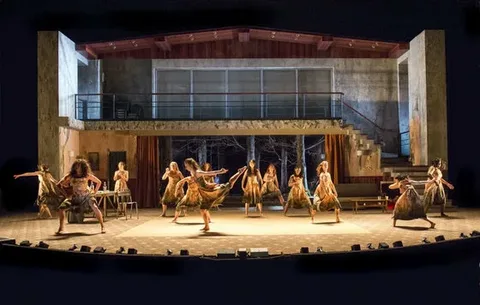
Outdoor stage design must account for wind, weather, and visibility. Sets are often portable and durable, ensuring stability during performances.
Lighting & Sound Challenges
Natural light changes throughout the performance, requiring careful timing and lighting adjustments. Sound systems must project clearly across open spaces without distortion.
Costumes & Makeup Adjustments
Costumes must withstand environmental factors such as wind or temperature changes. Makeup may be enhanced for visibility in natural light.
Rehearsals & Technical Planning
Outdoor rehearsals focus on spacing, blocking, and adapting to environmental conditions. Contingency plans are often in place for weather disruptions.
Behind every seamless performance is a dedicated team ensuring logistics, safety, and artistic quality align.
The Entertainment Experience, What Audiences Get to See
Attending an outdoor theatre performance offers a multi sensory experience. Audiences witness live storytelling framed by natural scenery, accompanied by ambient sounds and shifting light.
The openness of the setting often fosters a sense of community. Families, friends, and neighbors gather together, sharing in the excitement of live performance. Interactive elements may draw audiences deeper into the story, making them feel connected rather than distant observers.
From elaborate costumes and expressive performances to spontaneous environmental moments, outdoor theatre delivers authenticity that cannot be replicated indoors.
Why Outdoor Theatre Continues to Grow in Popularity
Modern audiences increasingly seek real world experiences that contrast with digital entertainment. Outdoor theatre fulfills this desire by offering live storytelling in engaging environments.
Community driven events, family friendly programming, and seasonal festivals contribute to its popularity. The accessibility of open spaces also allows broader participation, making theatre more inclusive.
Outdoor theatre supports cultural enrichment while strengthening local communities. It creates opportunities for artistic expression and shared celebration.
The Role of Community in Outdoor Theatre
Community involvement is central to outdoor theatre. Local performers, volunteers, and organizers collaborate to bring productions to life. Educational outreach programs and youth involvement further deepen community ties.
Organizations like No Curtain Productions help cultivate local talent while providing enriching entertainment experiences. By fostering collaboration and creativity, outdoor theatre becomes more than a performance it becomes a shared cultural event.
Conclusion
Outdoor theatre represents a powerful blend of storytelling, environment, and community connection. From classical performances and immersive productions to family friendly festivals, it offers a unique entertainment experience shaped by open air settings and collaborative artistry.
Behind each production lies thoughtful planning, technical precision, and passionate performers dedicated to creating meaningful moments for audiences. As interest in live, real world entertainment continues to grow, outdoor theatre remains a vibrant and evolving art form.
Through creativity and community engagement, organizations like No Curtain Productions continue to celebrate the enduring magic of outdoor performance.
Frequently Asked Questions
What is the difference between indoor and outdoor theatre?
Indoor theatre takes place in enclosed venues with controlled lighting and acoustics. Outdoor theatre occurs in open air settings where natural elements influence the performance atmosphere.
Are outdoor theatre performances weather dependent?
Yes, weather can impact outdoor performances. Many companies prepare contingency plans or alternate dates in case of severe conditions.
What should I bring to an outdoor theatre show?
Comfortable seating, weather appropriate clothing, and possibly blankets are recommended. Some venues allow snacks or refreshments.
Are outdoor performances suitable for families?
Many outdoor productions are family friendly, especially seasonal and community shows designed for all age groups.
How are sound and lighting handled outdoors?
Professional sound systems and strategic lighting setups ensure clarity and visibility, even in open environments.